



























Peotein all sources aren’t Equal?
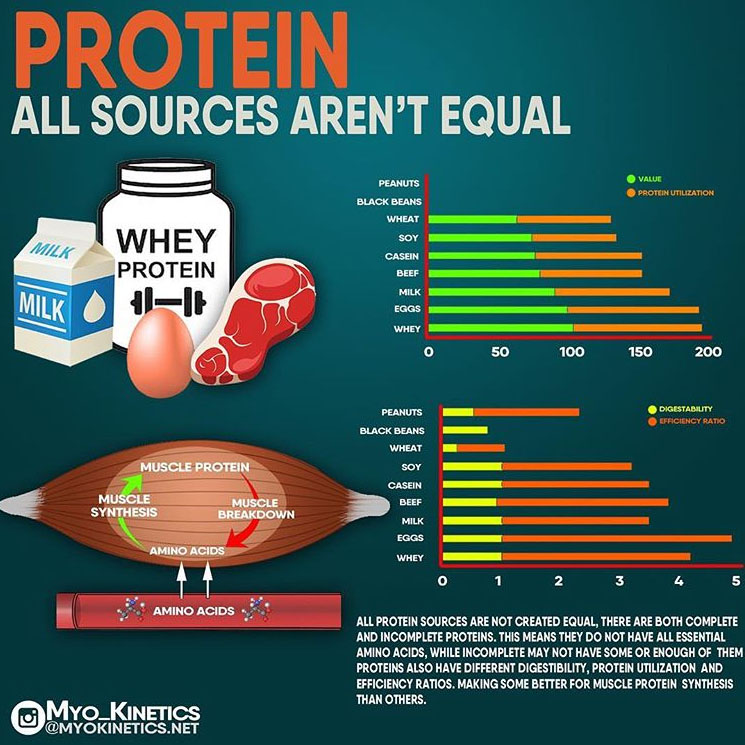

Why Protein Quality Matters for Muscle Growth
When people think about protein, they usually focus on the total number of grams they consume each day. However, modern sports nutrition research shows that protein quality matters just as much as quantity. Two foods may both contain 20 grams of protein, yet they can affect muscle growth, recovery, and protein synthesis very differently.
Proteins are made up of amino acids, which serve as the building blocks for muscle tissue, enzymes, hormones, immune cells, and nearly every structure in the human body. But not all protein sources provide the same amino acid profile, digestibility, or biological efficiency.
This is why athletes, bodybuilders, and performance-focused individuals pay close attention not only to how much protein they consume, but also where that protein comes from.
Complete vs. Incomplete Proteins
There are 21 amino acids involved in building proteins within the body. Out of these:
- 12 are considered nonessential amino acids because the body can produce them internally.
- 9 are essential amino acids, meaning they must come from food because the body cannot synthesize them on its own.
A protein source is considered complete when it contains all 9 essential amino acids in sufficient amounts.
Incomplete proteins may lack one or more essential amino acids or contain them in very low concentrations.
Complete proteins are generally more effective at supporting:
- Muscle protein synthesis
- Recovery after exercise
- Hormonal function
- Tissue repair
- Athletic performance
Most animal-based protein sources are naturally complete proteins, including:
- Chicken
- Beef
- Fish
- Eggs
- Milk
- Greek yogurt
- Whey protein
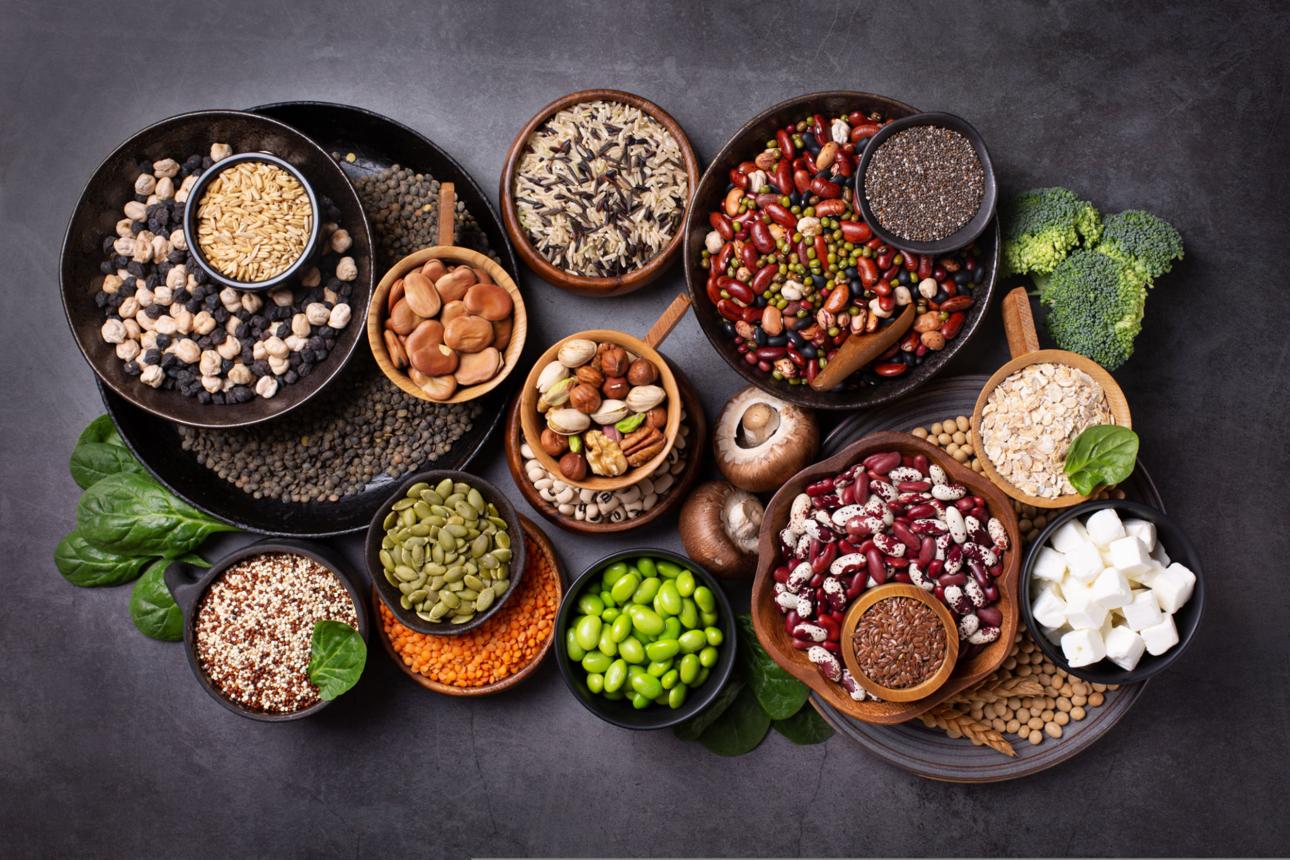
Some plant-based foods are also complete proteins, such as:
- Soy
- Quinoa
- Buckwheat
- Hemp seeds
- Chia seeds
- Spirulina
However, many plant proteins are incomplete when eaten alone. This is why combining certain foods becomes important for vegetarians and vegans.
Why Leucine Is So Important
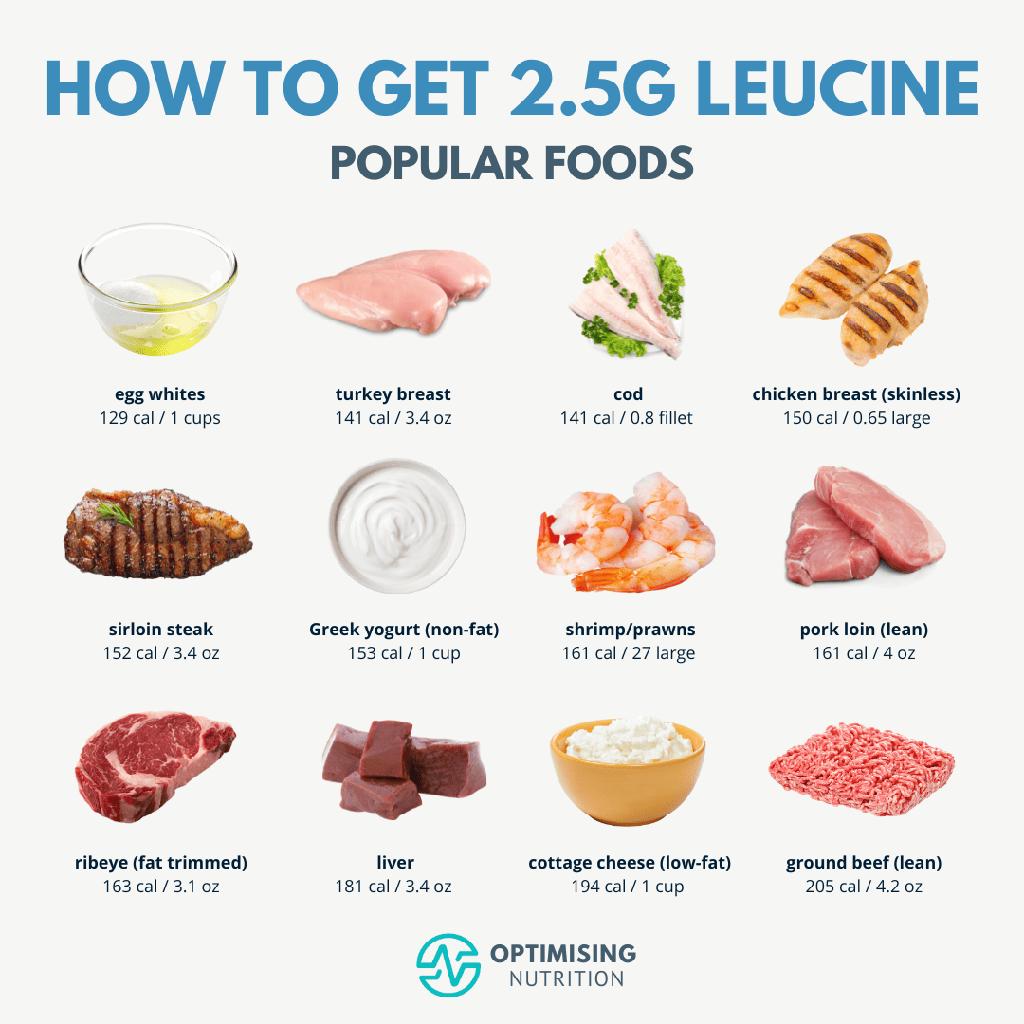

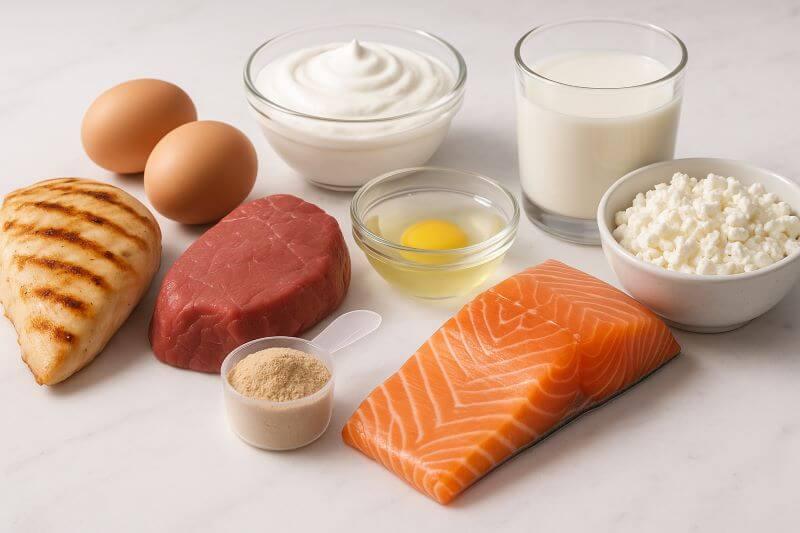

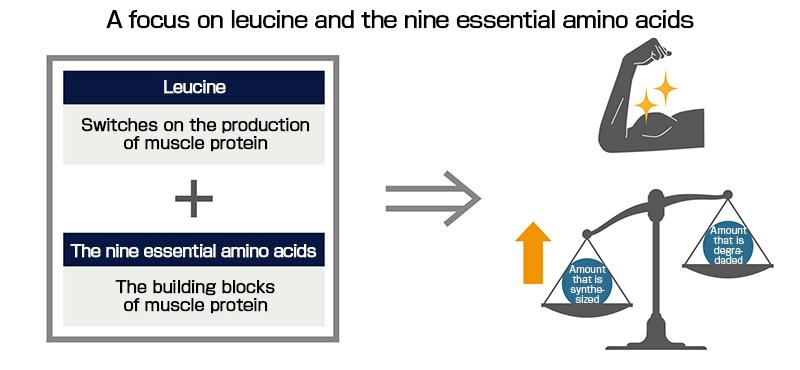

Among the essential amino acids, leucine plays a particularly powerful role in muscle growth.
Leucine acts like a biological “switch” that activates muscle protein synthesis — the process where the body repairs and builds new muscle tissue after training.
Proteins rich in leucine are generally considered superior for muscle-building purposes.
The branched-chain amino acids (BCAAs):
- Leucine
- Isoleucine
- Valine
are especially important for athletes because they help support recovery, reduce muscle breakdown, and stimulate anabolic signaling pathways.
Whey protein is often considered one of the most effective proteins for muscle growth because it contains:
- High leucine concentration
- Rapid digestion speed
- Excellent amino acid profile
- High bioavailability
This is one reason whey protein consistently performs well in scientific studies related to hypertrophy and recovery.
Protein Digestibility and Absorption
Not all proteins are absorbed equally by the body.
Scientists use measurements such as:
- Biological Value (BV)
- Protein Digestibility Corrected Amino Acid Score (PDCAAS)
- Digestible Indispensable Amino Acid Score (DIAAS)
to evaluate protein quality.
Some proteins are rapidly digested and efficiently used for muscle repair, while others are absorbed more slowly or incompletely.
For example:
| Protein Source | Digestibility | Muscle Building Potential |
|---|
| Whey Protein | Very High | Excellent |
| Eggs | Very High | Excellent |
| Chicken Breast | High | Excellent |
| Soy Protein | Moderate-High | Good |
| Beans Alone | Moderate | Limited |
| Nuts Alone | Lower | Incomplete |