





























Can Thyroid Supplements Help You Lose Weight?
In the endless search for a weight loss solution, many individuals turn their attention toward the endocrine system, specifically the thyroid gland. Often referred to as the body’s master regulator of metabolism, the thyroid plays a massive role in determining how many calories you burn at rest. When the thyroid functions optimally, managing body weight is significantly easier; when it sluggishly underperforms, losing weight can feel like an uphill battle. This biological reality has led to a massive market for over-the-counter thyroid supplements, promising to skyrocket metabolism and melt away body fat.
However, the science behind these supplements is highly nuanced, and in many cases, misunderstood. Many of these products contain high doses of iodine, selenium, or bovine thyroid tissue, which can have unpredictable and sometimes dangerous effects on your body. Understanding how these supplements interact with your endocrine system is critical before adding them to your daily regimen, as manipulating hormone pathways is a delicate process that requires caution and evidence-based knowledge.
Common Mistakes
The most dangerous mistake consumers make is self-diagnosing a clinical thyroid issue and attempting to self-treat with over-the-counter supplements. Hypothyroidism (an underactive thyroid) is a complex medical condition that requires a comprehensive blood panel and a physician’s prescription for synthetic thyroid hormones. Taking random supplements can disrupt your natural feedback loops, potentially shutting down your body’s own hormone production or causing hyperthyroidism, characterized by rapid heart rate, anxiety, and sleep disturbances.
Another common mistake is expecting a supplement to override a poor diet and sedentary lifestyle. No supplement can bypass the fundamental laws of thermodynamics; weight loss still requires a consistent caloric deficit. Additionally, many people consume high-dose iodine supplements assuming it will boost thyroid function. While the thyroid requires iodine to synthesize hormones, excess iodine can actually trigger the ‘Wolff-Chaikoff effect’, a temporary shutdown of thyroid hormone synthesis that worsens metabolic function.
- Self-treating metabolic issues without proper clinical blood tests.
- Relying on supplements instead of establishing a foundational caloric deficit.
- Consuming extreme doses of iodine, which can suppress natural thyroid function.
- Assuming natural or herbal products are entirely safe and free of side effects.
Benefits of Thyroid Supplements
When used under the guidance of a qualified medical professional, specific micronutrients commonly found in thyroid supplements can support natural metabolic health. For individuals with proven, subclinical deficiencies in selenium, zinc, or tyrosine, supplementation can help optimize the conversion of the inactive thyroid hormone thyroxine (T4) into the active triiodothyronine (T3). This optimization can lead to improved daily energy levels, better cognitive function, and enhanced recovery from exercise.
Furthermore, maintaining adequate levels of these essential nutrients helps protect the thyroid gland from oxidative stress and inflammation. By ensuring your thyroid has the raw materials it needs to operate efficiently, you can prevent metabolic slowdowns during periods of caloric restriction, making your weight management efforts more sustainable and consistent over time.
Training Tips
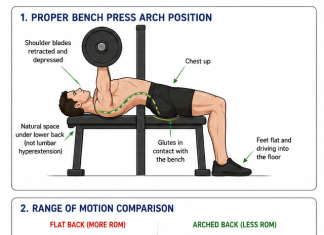
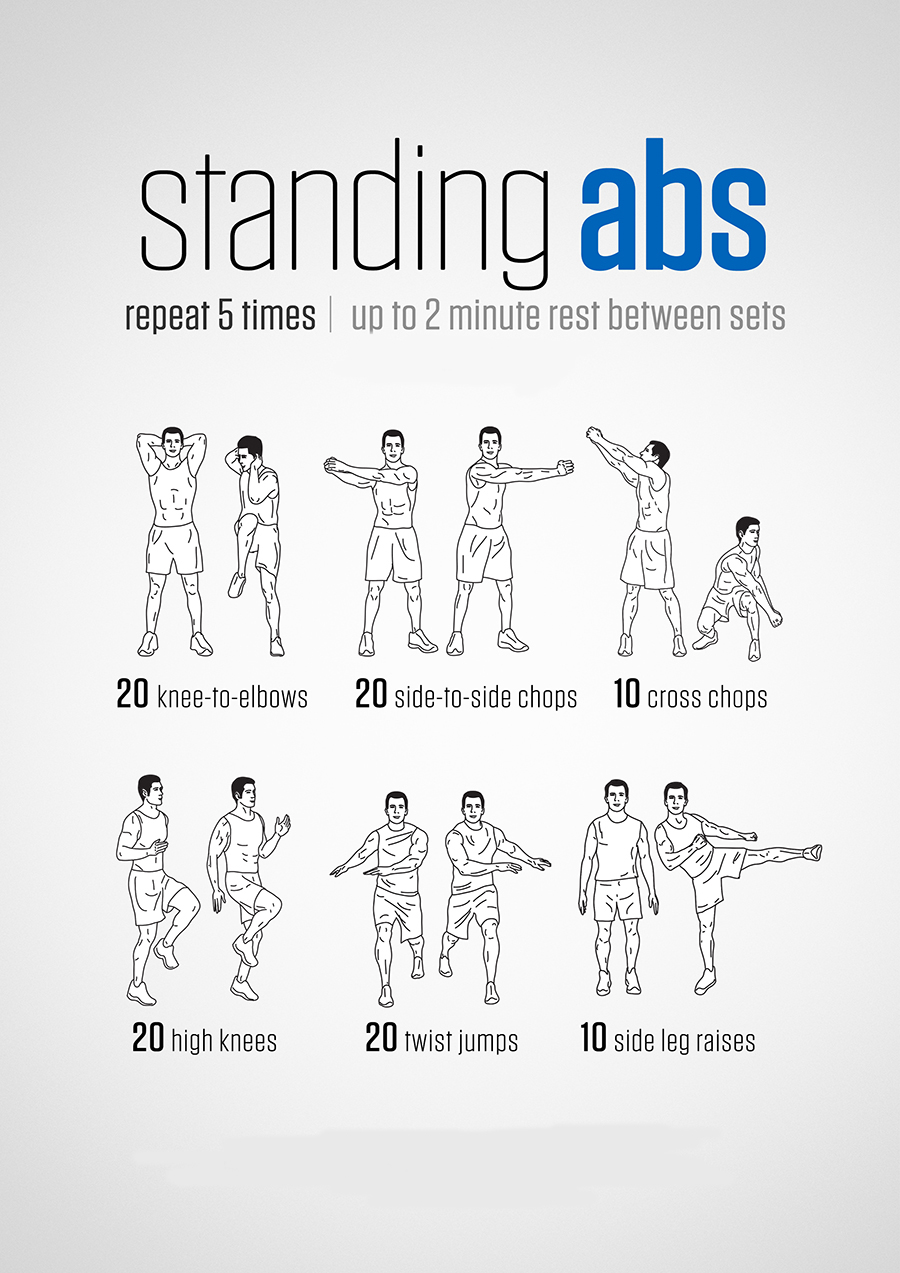
If you suspect your metabolism is running slow, the most effective training intervention is to focus on building and maintaining skeletal muscle mass through structured resistance training. Muscle tissue is highly metabolically active, meaning it burns more calories at rest than fat tissue. Aim to lift weights three to four times per week, focusing on compound exercises that stimulate multiple large muscle groups simultaneously to boost your overall metabolic rate.
Additionally, avoid chronic, excessive cardio and extreme caloric restriction, as this combination can signal to your body that it is in a state of starvation. In response, your thyroid may naturally downregulate hormone production to conserve energy, stalling your weight loss progress. Instead, pair your strength training with low-intensity steady-state cardio (like walking) and a modest, sustainable caloric deficit to support healthy hormone function and consistent fat loss.
Conclusion
While the promise of a pill that speeds up your metabolism is incredibly appealing, over-the-counter thyroid supplements are not a magic bullet for weight loss. True metabolic health is built on a foundation of proper nutrition, progressive resistance training, adequate sleep, and medical guidance when necessary. Before taking any supplement that targets your hormones, consult with a physician to get accurate blood work. Focus on sustainable lifestyle habits first, and treat your endocrine system with the respect and care it deserves.