

































The Science of Cortisol and Stress Reduction
One of the primary reasons nature is so effective at reducing stress is its ability to lower cortisol levels. Cortisol is often called the “stress hormone” because it is released whenever the body perceives a threat or challenge. While short-term cortisol spikes are beneficial for survival, chronically elevated cortisol levels can contribute to weight gain, poor sleep, fatigue, anxiety, weakened immunity, and reduced athletic performance.

Studies have shown that spending time in green environments can significantly decrease cortisol production. Researchers believe this occurs because natural settings reduce sensory overload and activate the parasympathetic nervous system, which is responsible for recovery and relaxation. Even a short walk through a park can help shift the body away from a constant fight-or-flight state and restore physiological balance.
Nature and Exercise Recovery
Athletes are increasingly using nature exposure as a recovery tool. Intense training places stress on the body, leading to muscle damage, nervous system fatigue, and temporary inflammation. While exercise is beneficial, recovery is where adaptation and performance improvements actually occur.
Spending time outdoors after workouts may help accelerate the recovery process by reducing mental fatigue and promoting relaxation. Walking through a natural environment encourages blood circulation without adding excessive training stress, making it an ideal form of active recovery. Combined with proper nutrition, hydration, and sleep, regular exposure to nature can become a powerful component of a complete recovery strategy.
Many endurance athletes and professional sports teams now incorporate outdoor recovery sessions, light hikes, and nature walks into their training schedules because of the psychological and physiological benefits they provide.
How Nature Improves Sleep Quality
Quality sleep is one of the most important pillars of overall health and stress management. Unfortunately, excessive exposure to artificial light, particularly from smartphones and computer screens, can disrupt circadian rhythms and reduce melatonin production.
Natural sunlight helps regulate the body’s internal clock. Spending time outdoors, especially during the morning hours, strengthens circadian alignment and improves nighttime sleep quality. Better sleep results in improved mood, enhanced cognitive function, stronger immunity, and more efficient recovery from exercise.
Individuals who regularly spend time outdoors often report falling asleep faster, sleeping more deeply, and waking up feeling more refreshed. These improvements can have a profound impact on long-term health and productivity.
The Cardiovascular Benefits of Green Spaces
Nature exposure doesn’t just improve mental health—it also supports cardiovascular function. Research suggests that spending time in green environments may lower blood pressure, reduce resting heart rate, and improve overall heart health.
Chronic stress places a heavy burden on the cardiovascular system. Elevated cortisol and adrenaline levels force the heart to work harder and can contribute to hypertension over time. Nature provides a natural counterbalance by encouraging relaxation and reducing physiological stress responses.
Even simple activities such as walking through a local park or gardening can contribute to better cardiovascular health when performed consistently.
Nature Walks for Athletes
Athletes often focus exclusively on hard training sessions while neglecting low-intensity recovery activities. Nature walks offer a unique opportunity to combine movement with stress reduction.
Benefits of nature walks for athletes include:
- Improved blood circulation and nutrient delivery.
- Reduced mental fatigue from intense training.
- Lower stress hormone production.
- Enhanced recovery between workouts.
- Increased daily calorie expenditure.
- Better joint mobility through gentle movement.
- Improved focus and motivation.
A 20- to 40-minute walk through a park, forest trail, or coastal environment can provide substantial recovery benefits without interfering with training adaptations.
Practical Weekly Nature Plan
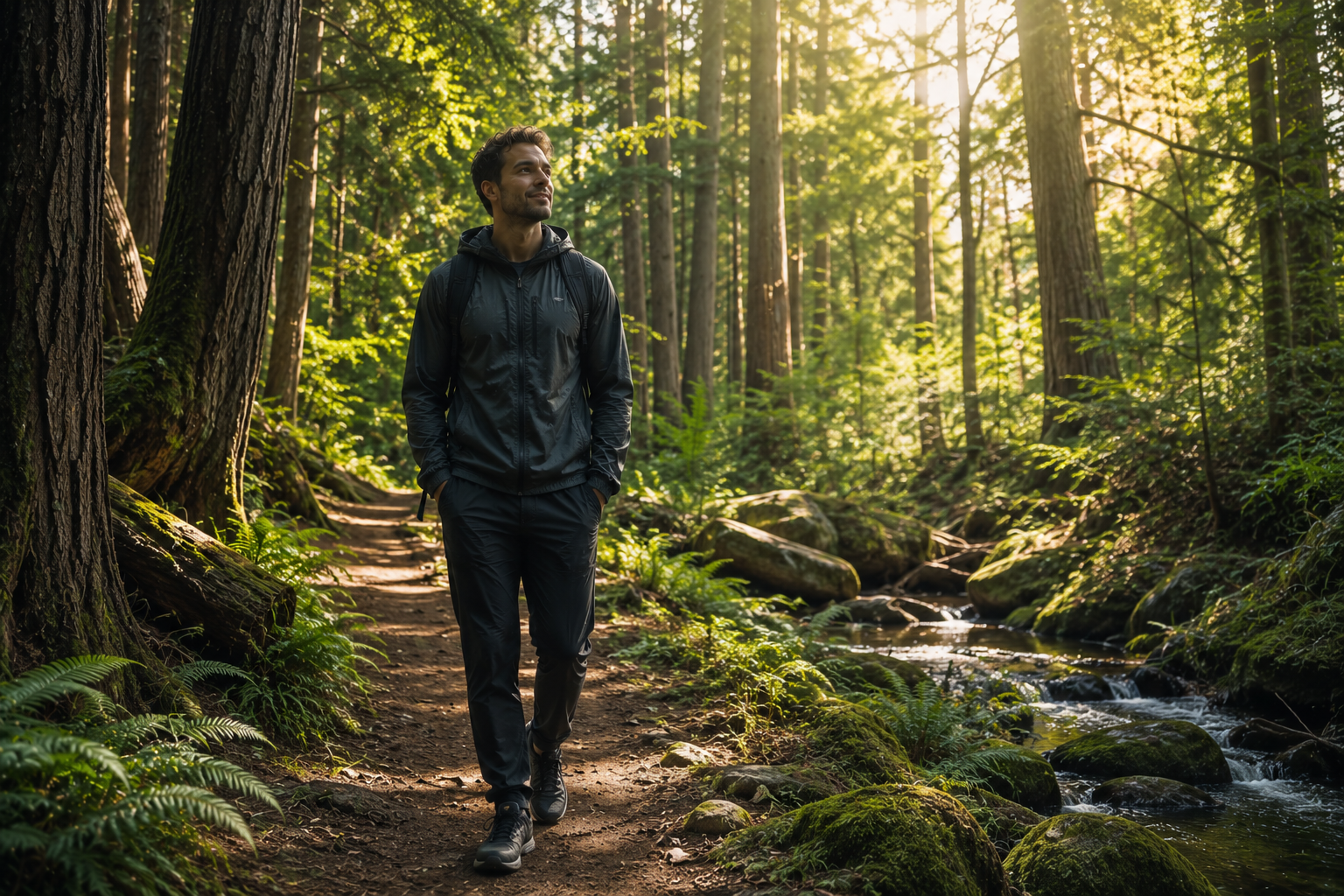
For individuals with busy schedules, reaching the recommended 120-minute weekly target can be simple:
Monday: 15-minute walk during lunch break.
Tuesday: 20-minute evening walk in a local park.
Wednesday: 15-minute outdoor break after work.
Thursday: 20-minute mindful walk without electronic devices.
Friday: 15-minute morning walk before work.
Saturday: 20-minute nature hike or park visit.
Sunday: 15-minute family walk outdoors.
This schedule easily surpasses the recommended weekly threshold while fitting into most lifestyles.
Frequently Asked Questions
How much time in nature is needed to reduce stress?
Research suggests that approximately 20 to 30 minutes of nature exposure can produce measurable reductions in cortisol levels and psychological stress.
Is a city park as effective as a forest?
While forests may provide stronger restorative effects, city parks, gardens, and tree-lined streets can still offer significant mental health benefits.
Does exercise in nature provide additional benefits?
Yes. Combining physical activity with natural environments often produces greater improvements in mood, stress reduction, and overall well-being than indoor exercise alone.
Can nature help with anxiety?
Numerous studies suggest that regular exposure to green spaces may reduce anxiety symptoms and improve emotional resilience.
Is sunlight necessary for the benefits?
Not entirely. While sunlight contributes to circadian rhythm regulation, many psychological benefits of nature exposure occur even on cloudy days.
Final Thoughts
Nature is one of the most underutilized health interventions available today. Unlike expensive treatments or complicated wellness programs, spending time outdoors is accessible, sustainable, and supported by a growing body of scientific evidence. Whether your goal is reducing stress, improving athletic recovery, enhancing sleep quality, supporting heart health, or simply finding a moment of calm in a busy world, nature offers a powerful solution. By making outdoor time a consistent habit rather than an occasional activity, you can unlock substantial physical and mental health benefits that accumulate over a lifetime.