





























Rehabilitation Exercises for Hip (Trochanteric) Bursitis
Hip trochanteric bursitis is a common condition that causes pain on the outer side of the hip. It often develops due to repetitive stress, muscle imbalance, poor posture, overtraining, or prolonged pressure on the hip joint. Athletes, runners, cyclists, and even people with sedentary lifestyles may experience discomfort caused by inflammation of the bursa — a small fluid-filled sac that reduces friction between bones and soft tissues.
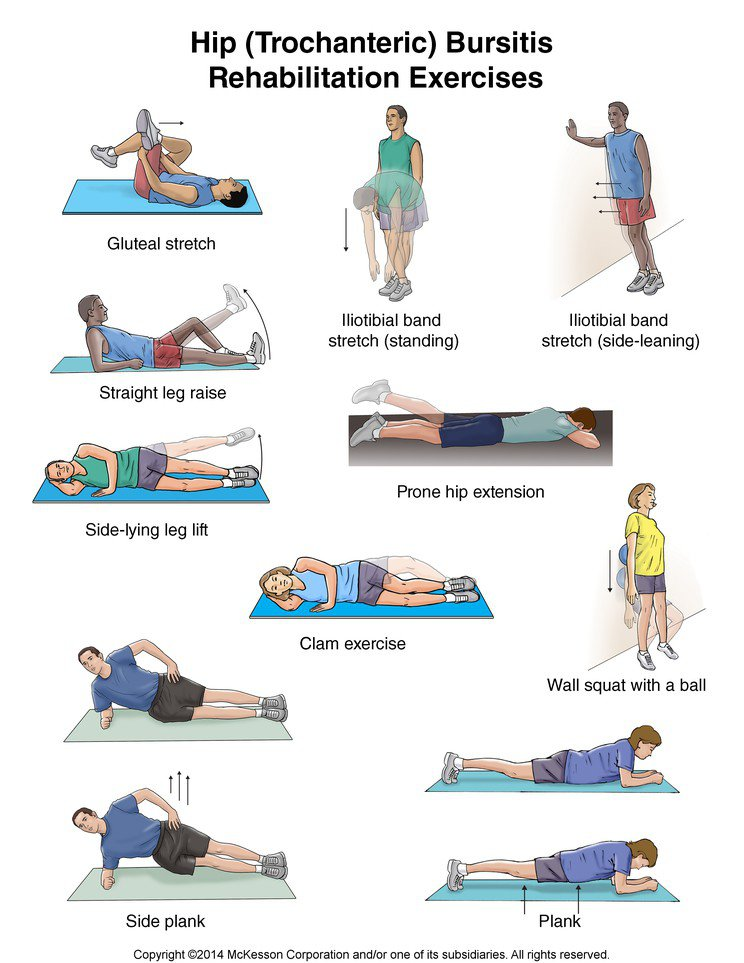
A proper rehabilitation program can significantly reduce pain, improve mobility, and strengthen the muscles surrounding the hip joint. The following exercises are commonly recommended to support recovery and restore functional movement.
Gluteal Stretch
The gluteal stretch helps release tension in the glute muscles and surrounding tissues that may contribute to hip irritation. Tight gluteal muscles can increase pressure around the greater trochanter and worsen inflammation.
To perform this stretch:
- Lie on your back with both knees bent.
- Cross the affected leg over the opposite knee.
- Gently pull the supporting leg toward your chest until you feel a stretch in the buttock and outer hip area.
- Hold the position for 20–30 seconds.
- Repeat 3–4 times on each side.
This exercise improves flexibility and may reduce stiffness after long periods of sitting or physical activity.
Straight Leg Raise
The straight leg raise is designed to activate and strengthen the hip flexors and quadriceps without placing excessive stress on the hip joint.
How to perform:
- Lie flat on your back with one knee bent and the other leg straight.
- Tighten your abdominal muscles.
- Slowly lift the straight leg approximately 12–18 inches off the floor.
- Hold for 2–3 seconds and lower slowly.
Perform 10–15 repetitions for 2–3 sets. Controlled movement is more important than speed. Avoid jerking or swinging the leg during the exercise.
Side-Lying Leg Lift
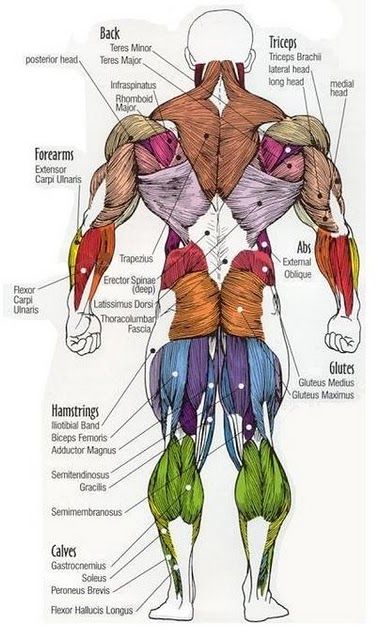
This exercise targets the gluteus medius, one of the most important muscles for hip stability. Weakness in this muscle is commonly associated with trochanteric bursitis.
Instructions:
- Lie on your side with legs straight.
- Keep the top leg aligned with your body.
- Slowly raise the leg upward without rotating the hips.
- Pause briefly at the top and lower with control.
Complete 12–15 repetitions per side. As strength improves, resistance bands may be added for progression.
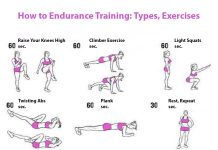
Side Plank
The side plank strengthens the core, hips, and lateral stabilizing muscles. Strong stabilizers help reduce abnormal stress on the hip during walking, running, and daily movement.
To perform:
- Lie on your side supported by your forearm.
- Lift your hips off the floor, creating a straight line from shoulders to feet.
- Hold the position for 15–30 seconds.
- Repeat 2–4 times on each side.
Beginners may modify the movement by bending the knees for additional support.
Additional Recovery Tips
Successful rehabilitation also includes proper recovery habits. Applying ice to the painful area for 15–20 minutes after activity may help decrease inflammation. Avoid repetitive movements that aggravate symptoms, especially excessive running on uneven surfaces or prolonged standing on one leg.
Maintaining healthy body weight, improving posture, and gradually increasing exercise intensity are also important factors for long-term hip health. Consistency is essential — rehabilitation exercises should be performed several times per week for the best results.
If pain becomes severe or persists despite exercise, consultation with a medical professional or physical therapist is recommended to rule out tendon injuries or other hip conditions.