




















2025 IFBB Mr Olympia Saturday Final Photos: What is WRONG?
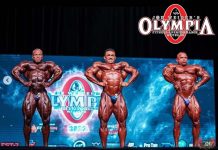
Let’s figure out what happened at the 2025 Mr. Olympia.
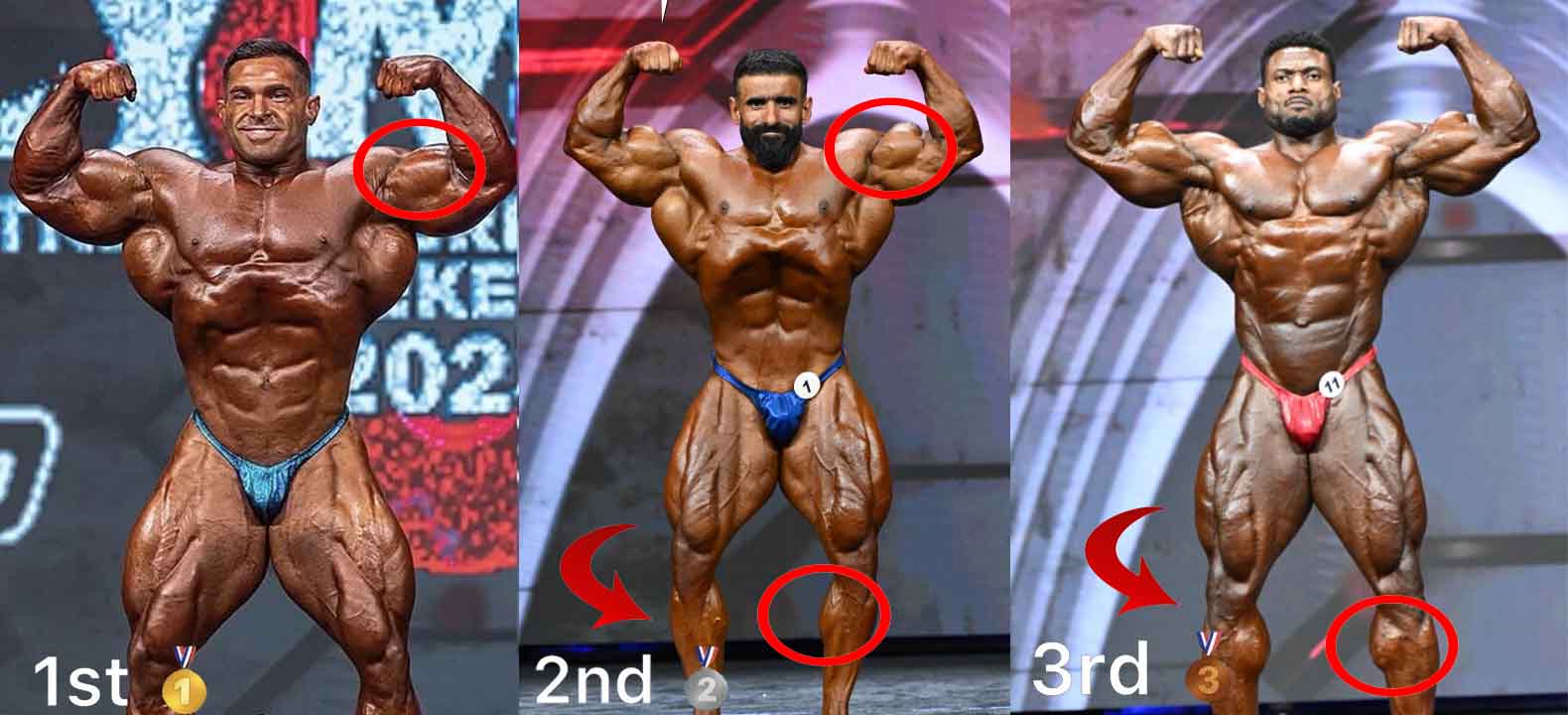
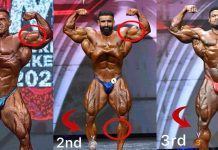
- Derek Lunsford was declared the winner of the 2025 Mr. Olympia final.
- Hadi Choopan placed second.
Reviews and many analyses claim the fight was very close, the competition very tough—meaning the gap between them was minimal.
Some fans and commentators are complaining that Choopan deserved more and that the judges were mistaken or could have been motivated by something else: there are reports on social media of “injustice” and that the decision seemed “unfair.”
There is no credible evidence in official publications or news articles that the decision was politically motivated (in the sense of pressure, agreements, or outside interference). Most sources simply record the results and comment on the athletes’ form, presence, quality of conditioning, and toughness.
Discontent from some of the public
There is no direct evidence yet of a “political” conspiracy.
Based on this, we can conclude: what could have influenced the decision, and where are the boundaries between “fair” judging and “politics” in bodybuilding?
How are such competitions judged, criteria and subjectivity:
To understand where mistakes or controversial points might occur, it’s important to consider how bodybuilding competitions like the Olympia are generally judged:
- Muscle mass and fullness – who has the most, but without sacrificing detail.
- Structure, shape, symmetry, balance – no distortions, everything should be harmonious.
- Conditions – definition, muscle separation, dryness, lack of water.
- Lighting intensity, quality of light and shadows, how muscle detail is read on stage.
- Presentation. Posing, confidence on stage
Contrast and visual impressions when comparing (callouts, comparing athletes to each other)
These criteria aren’t subject to strict numerical measurement – much depends on the judge’s “feeling,” on how a particular athlete compares to others that day, and how they “performed” in group comparisons (callouts).
Judges often compare athletes not individually, but rather place them side by side and observe whose body “wins” visually in the standing poses. Even small nuances (shadow, angle, how light is refracted) can play a role.
Since the criteria are partially subjective, disagreements arise: one judge may favor “rigidity,” another “full volume,” a third “symmetry.”
Under such conditions, a minimal gap between athletes gives rise to arguments and accusations of unfairness.
Why Derek Lunsford might have been awarded first place and not Chupan – possible arguments?
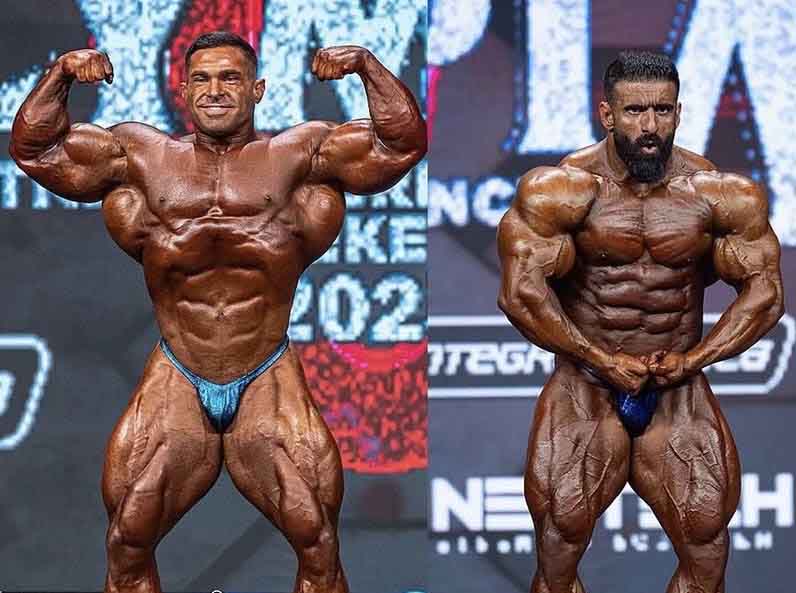
Here are some possible reasons why the judges picked Lonswerd, going by the descriptions and what we’ve seen:
1. Better Visuals
Reviews say that Lunsford seemed fuller in some poses, had better control when posing, and handled lighting and shadows better.
Basically, in important comparison poses (like back, biceps, and side shots), he looked better.
2. Good Shape + Muscle Definition
Maybe the judges felt Derek Lunsford had a slightly better finish, detail, and muscle separation than Choopan, mostly in closed poses or under bright lights.
3. Steady on Stage, Good Posing, Confidence
How you present yourself matters. If an athlete looks confident, poses well, and presents well during comparisons, it can make a difference.
4. Key Comparison Moments
When the judges put athletes next to each other for comparisons, Lonswerd might have had an advantage in a pose or two, which could have swayed the decision.
It was close, but the judges might have seen slightly more promise. When scores are tight, judges might just give first place to the athlete they think looks better in key moments.
Past Reputation and What People Expect
It’s possible that an athlete’s reputation, past wins, and overall status subtly affect how they’re seen. If someone has won before or often makes it to the finals, they might get the benefit of the doubt on some level. This isn’t necessarily about politics, but just how our brains work.
Is the decision political judging?
Usually, when people call a decision political, they mean the fix was in, or that organizers forced a result. It also suggests that things like marketing or nationality mattered more than the sport itself.
Here’s my take:
Right now, there’s no solid proof that any of that happened. Official reports don’t say anything about it.
In tight contests, those who almost won often feel bitter. It’s normal in bodybuilding.
Still, in cases that cause arguments, we need transparency in judging. The public should see which poses judges liked, the scores, and if a recount is possible.
So, while there’s often suspicion (and for good reason, since sports can be shady), I don’t see clear evidence that this decision was political.
My Opinion about that
I think that:
Derek Lunsford win isn’t crazy. He probably had slight edges in important poses, which is how he won.
Choopan was super close, and I agree with those who think he should have won.
But, since there’s no proof of the organizers being biased, I think this is just a regular, debatable sports outcome, not some big political game.
Still, we need more open judging. Fans should get to see why judges picked who they did, look at video comparisons, and get the reasoning behind the decisions. That would cut down on accusations and build trust.
Looking ahead, athletes need to figure out ways to avoid these kinds of disagreements, like making sure they have obvious advantages in poses that are usually up for debate.