





















How to Do RACK PULLS
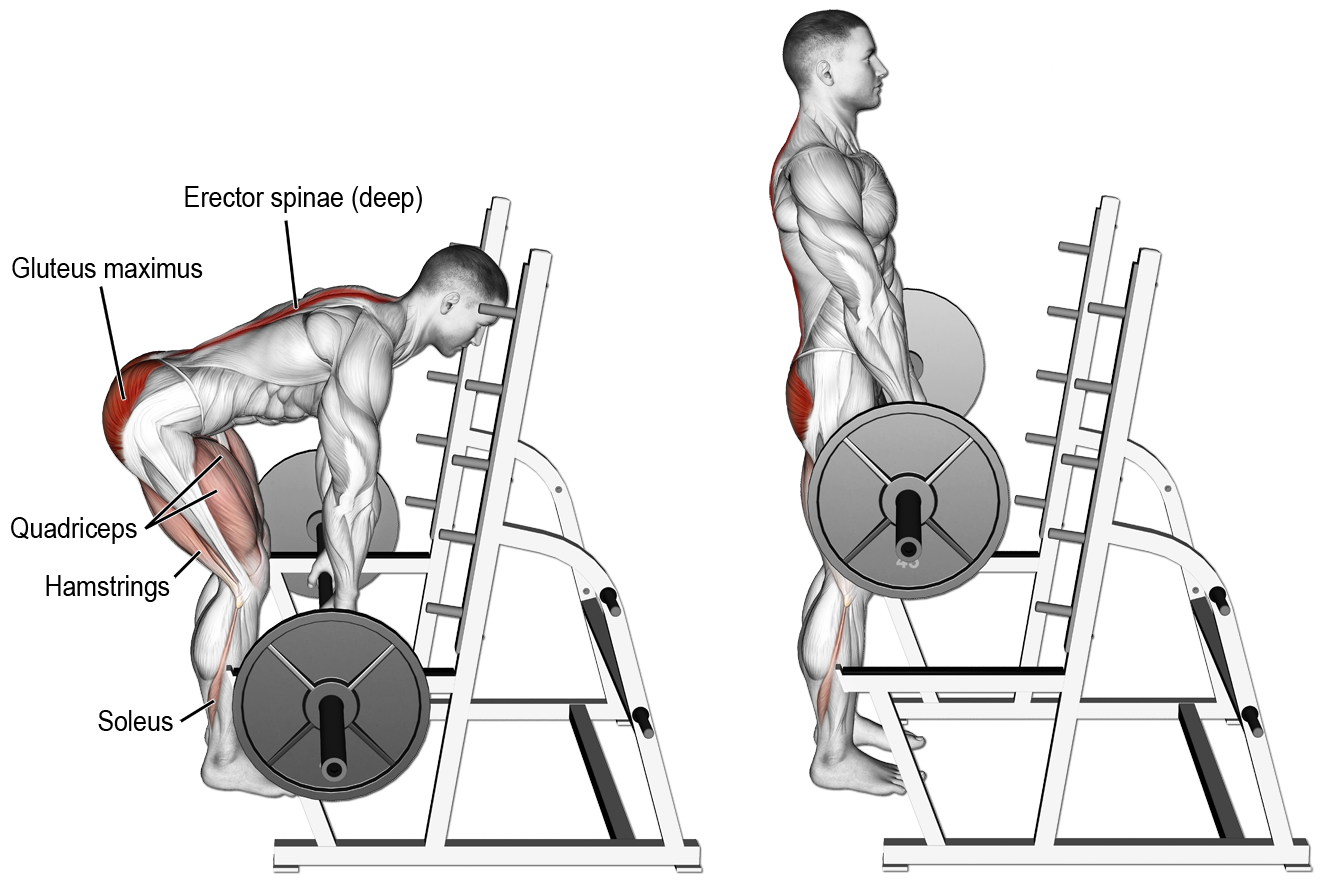
Tilts with a barbell in the hands (RACK PULLS)- for the back of the thigh, in simple terms this exercise is for the buttocks.
After all, it is very important how you look from behind, and the muscles of this area play an important role in the overall picture of the structure of your body. Exercise is also not the most difficult, pick up the barbell and begin to bend down with it, but do the exercise so that you feel the tension in the back of the thigh, or otherwise in the biceps thigh.
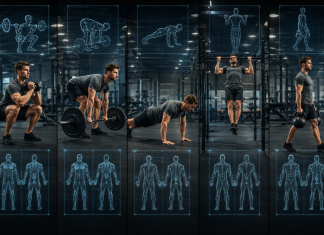
Execute the exercise RACK PULLS
- Place your feet about the width of your shoulders. It is necessary to raise the bar with both hands with a straight grip and keep it straight with your hands down. Straighten your back.
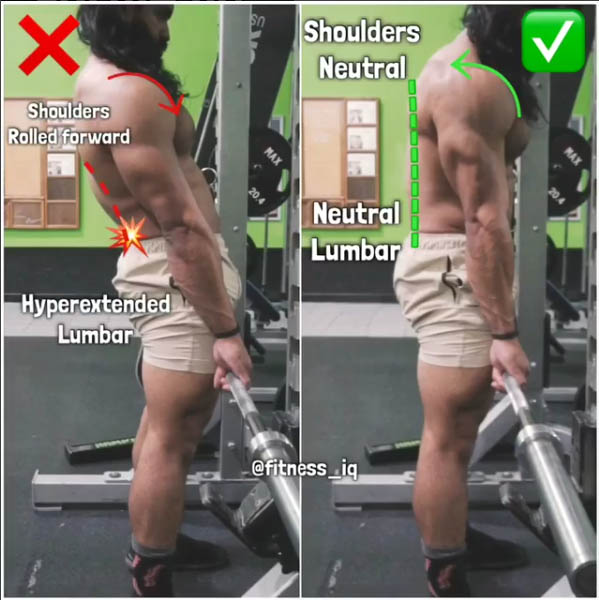
- Starting position: the body is straightened, the back is slightly bent in the lower part, the chest is straightened, the shoulders slightly back, the muscles of the waist in tension.
- Inhale and gently bend, pulling the pelvis back. Slope should occur only at the expense of the hip joint, but not the back! At the same time, we lower the bar with our straight hands.
- The slope occurs until the back becomes approximately parallel to the floor. Take a short pause and smoothly return the body to its original position by straightening in the hip joint
- Exhale after passing through the most severe point of recovery.
When doing the exercise, keep your back in constant tension and keep a slight deflection in the lower back. While tilting, bend your legs slightly at the knees, this will help you keep your back straight.
Rack Pull Training Program for Strength and Muscle Growth
Rack pulls are one of the most effective posterior-chain exercises for developing strength, muscle mass, and overall pulling power. Because the range of motion is shorter than a conventional deadlift, lifters can handle heavier loads while placing less stress on the lower back and improving lockout strength.
Beginner Program
If you are new to rack pulls, focus primarily on learning proper hip hinge mechanics and maintaining a neutral spine throughout the movement.
Workout Structure
- Rack Pulls – 3 sets × 10–12 reps
- Walking Lunges – 3 sets × 12 reps per leg
- Glute Bridges – 3 sets × 15 reps
- Leg Curls – 3 sets × 12–15 reps
- Plank – 3 sets × 30–45 seconds
Rest Periods
- 60–90 seconds between sets
Frequency
- Perform once or twice per week
The goal during the first few weeks is to build confidence with the movement while developing stronger glutes, hamstrings, and spinal stabilizers.
Intermediate Strength Program
Once technique becomes automatic, gradually increase the load and reduce the repetition range.
Workout Structure
- Rack Pulls – 4 sets × 6–8 reps
- Romanian Deadlifts – 4 sets × 8 reps
- Barbell Hip Thrusts – 4 sets × 10 reps
- Bulgarian Split Squats – 3 sets × 10 reps per leg
- Hanging Leg Raises – 3 sets × 12 reps
Rest Periods
- 90–120 seconds between sets
Frequency
- 1–2 sessions weekly
At this stage, progressive overload becomes essential. Increase the weight whenever all prescribed repetitions can be completed with excellent technique.
Advanced Power Program
For experienced lifters seeking maximum strength and explosive power.
Workout Structure
- Rack Pulls – 5 sets × 3–5 reps
- Deadlifts – 4 sets × 3–5 reps
- Barbell Rows – 4 sets × 6–8 reps
- Heavy Farmer Carries – 4 rounds × 30 meters
- Reverse Hyperextensions – 3 sets × 12 reps
Rest Periods
- 2–3 minutes between heavy sets
Frequency
- Once per week due to the high recovery demands
Common Mistakes During Rack Pulls
- Rounding the lower back during the descent.
- Jerking the weight off the pins instead of creating tension first.
- Hyperextending the lower back at lockout.
- Using excessive weight before mastering proper technique.
- Allowing the barbell to drift away from the body.
Benefits of Rack Pulls
- Builds powerful glutes and hamstrings.
- Strengthens the entire posterior chain.
- Improves deadlift lockout performance.
- Develops upper-back thickness and grip strength.
- Allows heavier loading than conventional deadlifts.
- Reduces stress on the lower back compared to full-range deadlifts.
Final Recommendation
Rack pulls are an excellent exercise for anyone looking to build a stronger backside, increase pulling power, and improve overall athletic performance. Start with moderate weights, focus on perfect technique, and gradually increase resistance over time. Consistent progression combined with proper recovery will lead to significant improvements in strength, muscle development, and functional performance.
Do 3 sets of 10-12 repetitions, rest no more than 1 minute between approaches